

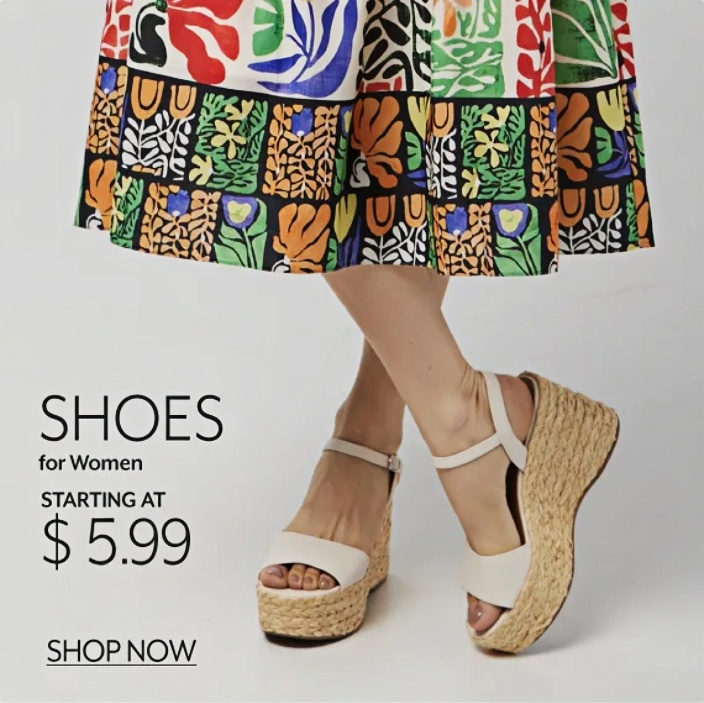


Styles that Make the Grade
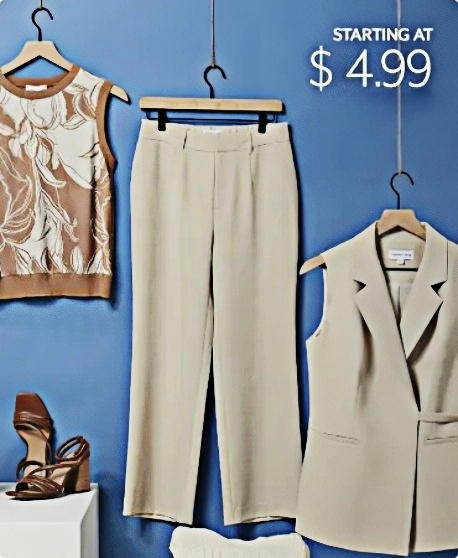
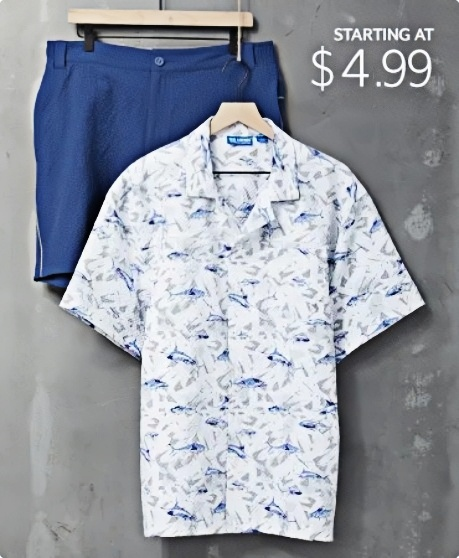
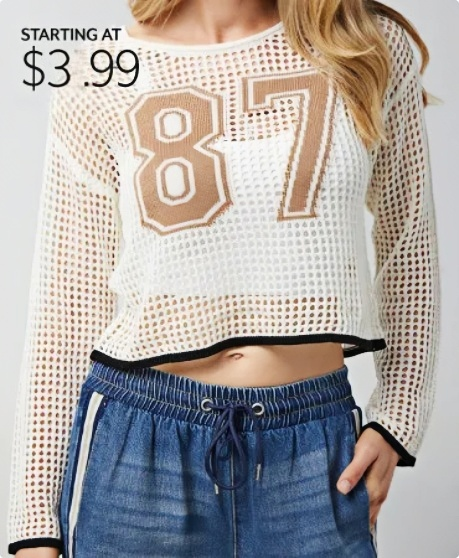

Back to Cool
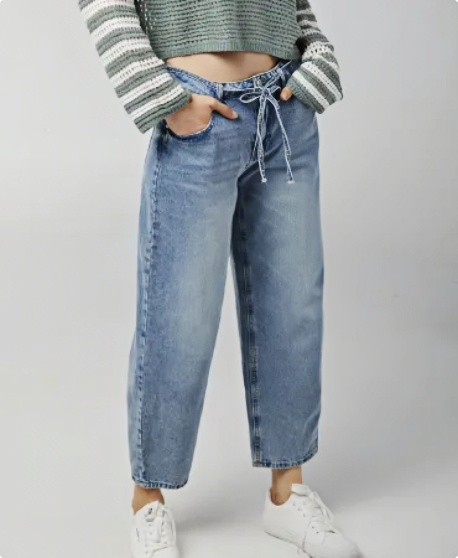
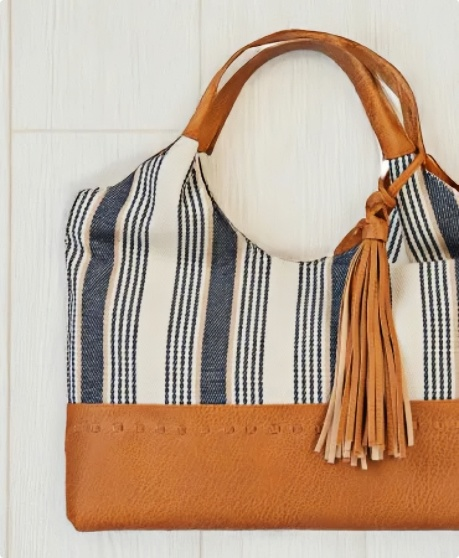
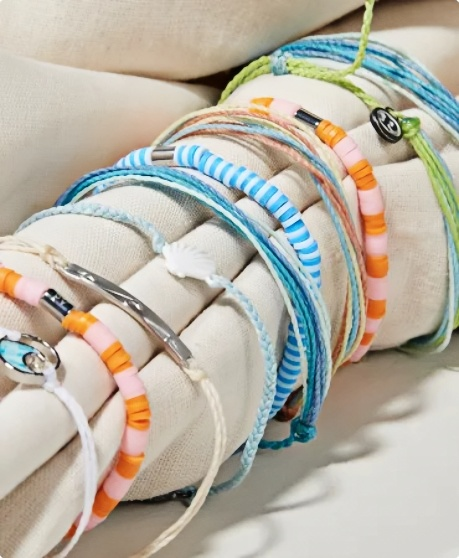
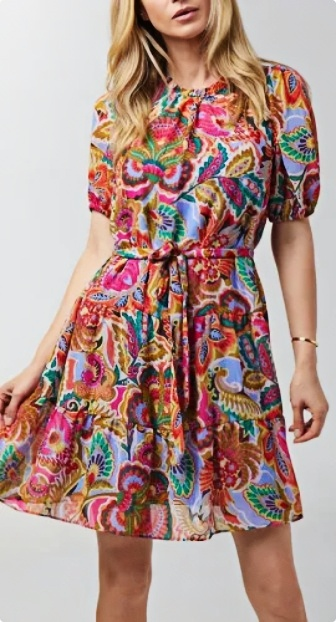
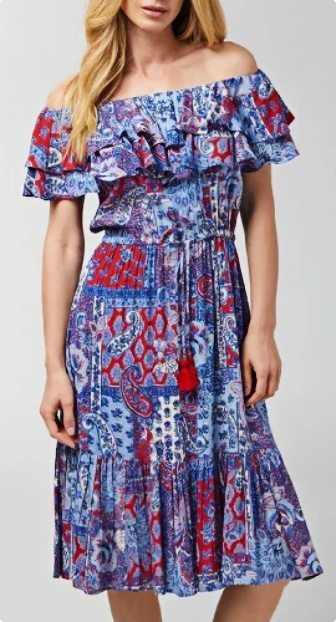
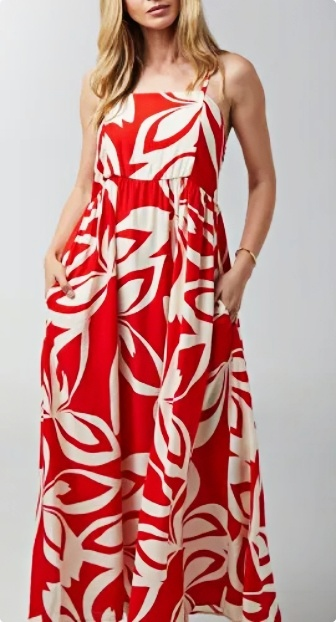
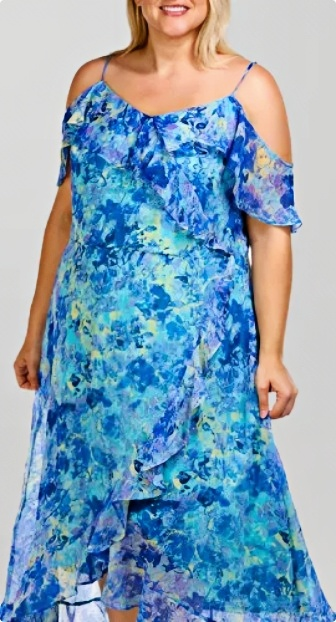
Say Yes to the Dress

Style Your Space
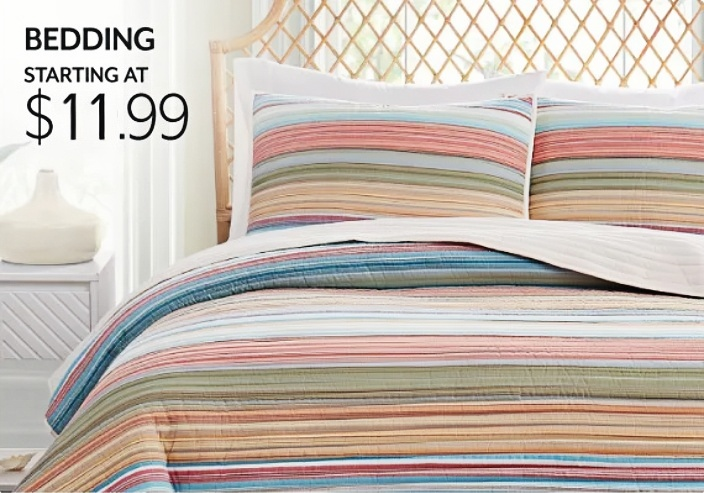

Outfit Your Dorm
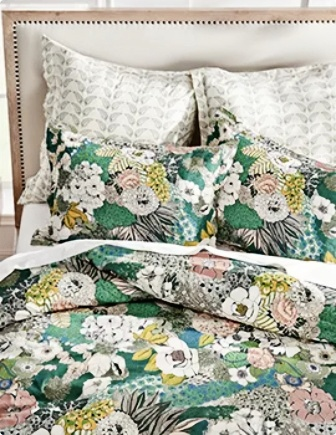
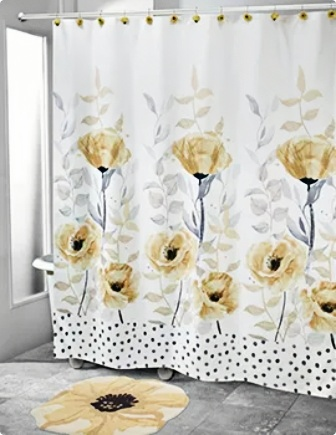

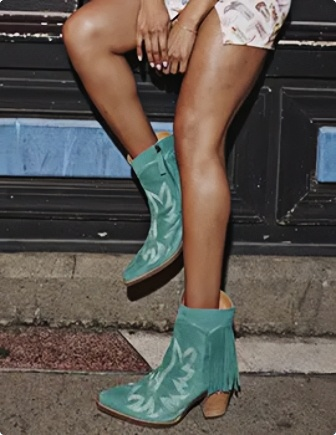

Brands You Love






Live Life Local
Shopping for guests who enjoy an active, outdoor, and relaxed lifestyle.





Discover More
Classic Recommendation.
The Evolving Ethics of the Fashion Trinity in the Modern Era
The modern consumer’s relationship with shoes, apparel, and bags has fundamentally changed. Where once the focus was predominantly on trend cycles and superficial aesthetics, there is now an undeniable and growing demand for products that align with deeper ethical and environmental values. This shift has placed the entire fashion trinity under a microscope, pushing manufacturers to innovate beyond mere style and embrace a commitment to sustainability and responsible sourcing. The ethical evolution of the items we wear and carry is shaping the future of the industry, moving it from a linear ‘take-make-dispose’ model towards a circular, conscientious one.
The scrutiny of apparel has led to a significant exploration of material science. The immense water usage and chemical processing associated with conventional fabric production are now widely challenged. This has driven a welcome surge in alternatives: regenerative agriculture for natural fibers, the upcycling of post-consumer waste into new textiles, and the development of innovative materials derived from less conventional sources. Consumers are increasingly seeking transparency about a garment’s entire lifecycle—from the field where the raw material was grown to the factory floor where it was assembled. For apparel to be considered truly modern, it must prove its minimal impact on the planet, extending its value beyond a single season. This pushes designers toward timeless, durable pieces that resist the obsolescence of fleeting trends. The inherent durability of the clothing itself becomes an ethical statement, a refusal to participate in disposable consumption.
In the realm of footwear, the challenge is distinct yet equally complex. Shoes, by their very nature, require a combination of materials—soles, uppers, linings, and adhesives—which historically have made them particularly difficult to recycle or decompose. The ethical evolution of shoes is therefore focused on deconstruction and material replacement. Brands are investing heavily in new-generation composites: natural rubber and recycled rubber for soles, plant-based materials and organic cotton for uppers, and non-toxic, water-based adhesives. The future of footwear lies in designs that can be easily disassembled into their component parts at the end of their lifespan, allowing for true material reclamation and reuse. Furthermore, ethical shoe production is inseparable from the fair treatment of craftspeople. Many shoe-making traditions rely on specialized labor, and consumers are increasingly attentive to supply chains that ensure safe working conditions and equitable compensation, recognizing that a truly beautiful shoe should not come at the expense of human dignity.
Bags, particularly those traditionally crafted from refined animal hides, face perhaps the most radical transformation. The rise of sophisticated, high-performance, and stylish material alternatives is reshaping the entire accessories market. Innovations range from materials grown in laboratories to highly engineered textiles derived from agricultural byproducts. These alternatives offer not only an ethical choice but often superior performance in terms of durability, lightness, and water resistance. The focus for bags is also heavily weighted towards the concept of longevity and repairability. An ethical bag is one that is designed to be a lifelong companion, built with such quality that it resists the need for frequent replacement. This ethos supports a circular economy, where a bag is viewed as an investment piece that can be refurbished, resold, or eventually upcycled, retaining its value and utility over decades rather than years.
In essence, the modern, conscious consumer uses the trio of shoes, apparel, and bags as a means to vote with their purchasing power. They are demanding a new paradigm where style does not compromise substance. This movement forces the industry to prioritize durability over disposability, transparency over obfuscation, and circularity over linearity. It is a profound shift from fast-paced novelty to slow, considered elegance. The garments, footwear, and accessories of this new era are not just items to be worn; they are artifacts of a commitment to a more responsible and thoughtful way of life. By choosing well-made items from transparent supply chains, the consumer participates in a global movement that values the well-being of the planet and its inhabitants, proving that true style is synonymous with ethical action.